
Vinyl Functional Siloxane
Vinyl-functional siloxanes provide carbon-carbon double bonds for reaction within hydrosilylation-based systems.
Applications
Advanced Siloxane Intermediates for High-Performance Silicone Materials
Overview
Silicone elastomers are widely used in automotive, electronics, industrial sealing and advanced material applications due to their flexibility, thermal stability and environmental resistance.
Functional siloxane intermediates play an important role in silicone synthesis and crosslinking chemistry. Vinyl-functional siloxanes and Si-H-containing siloxanes can participate in hydrosilylation reactions, supporting the formation and modification of silicone networks for different material requirements.
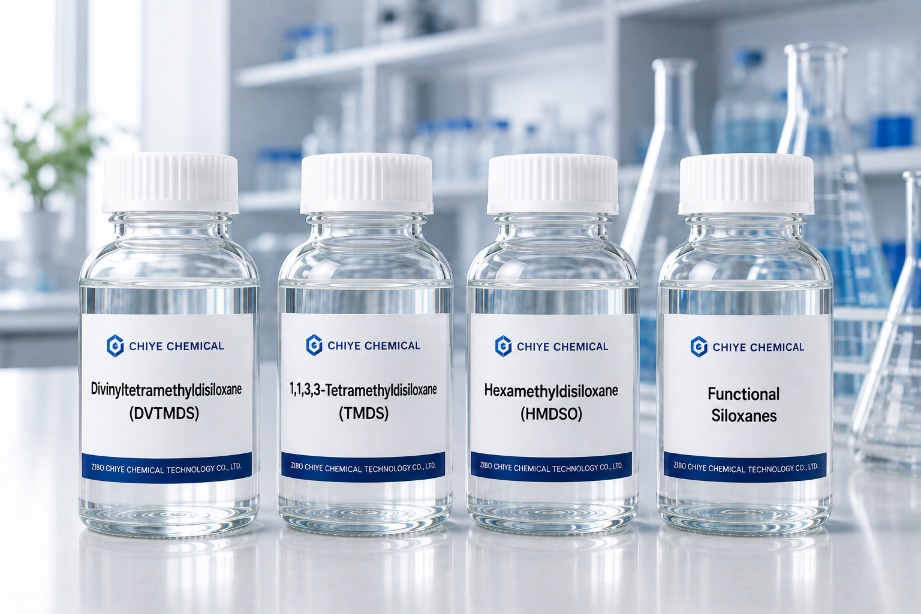
Chiye supplies functional siloxane intermediates including Divinyltetramethyldisiloxane (DVTMDS) and 1,1,3,3-Tetramethyldisiloxane (TMDS) for silicone synthesis, hydrosilylation chemistry and specialty organosilicon applications.
Technology
Hydrosilylation is an important reaction pathway in addition-cure silicone chemistry. In this reaction, Si-H functional groups react with carbon-carbon double bonds in the presence of a suitable catalyst, forming stable Si-C linkages.
Functional siloxane intermediates containing vinyl or Si-H groups can therefore serve as building blocks, modifiers or reactive intermediates in silicone synthesis and crosslinking systems. Their specific role depends on molecular structure, functionality and formulation design.
In practical silicone formulations, network formation depends on the functionality and structure of the silicone polymers, crosslinkers, reactive intermediates and catalyst system used.
Vinyl-functional siloxanes provide carbon-carbon double bonds for reaction within hydrosilylation-based systems.
Si-H-containing siloxanes provide reactive silicon-hydrogen functionality for silicone synthesis and modification.
Si-H groups react with vinyl functionality in the presence of a suitable catalyst to form stable Si-C linkages.
Polymer functionality and formulation design determine the resulting crosslinking density and material properties.
Performance Benefits
Vinyl- and Si-H-functional siloxanes provide reactive functionality for silicone synthesis, modification and hydrosilylation-based systems.
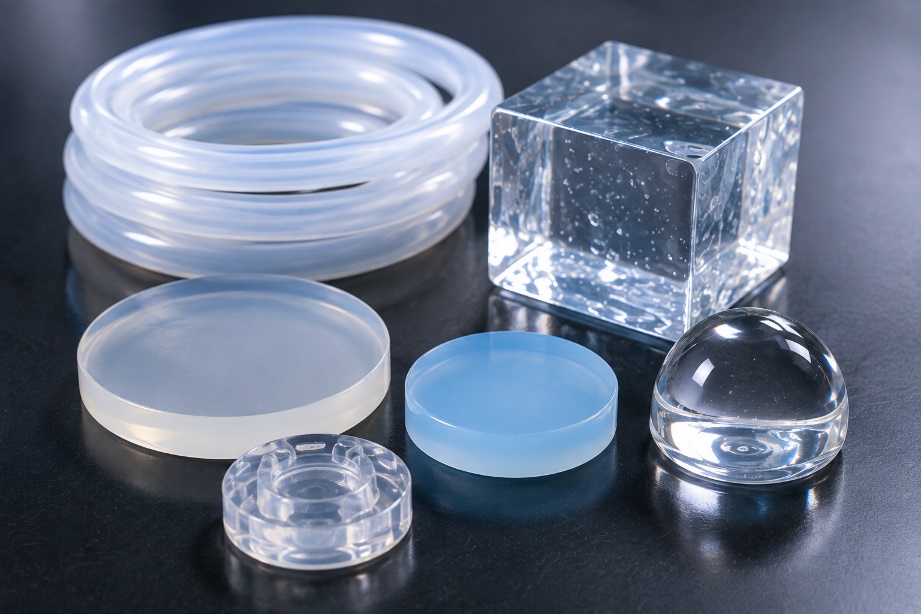
Functional siloxane intermediates can support formulation design for different flexibility, crosslinking and material performance requirements.
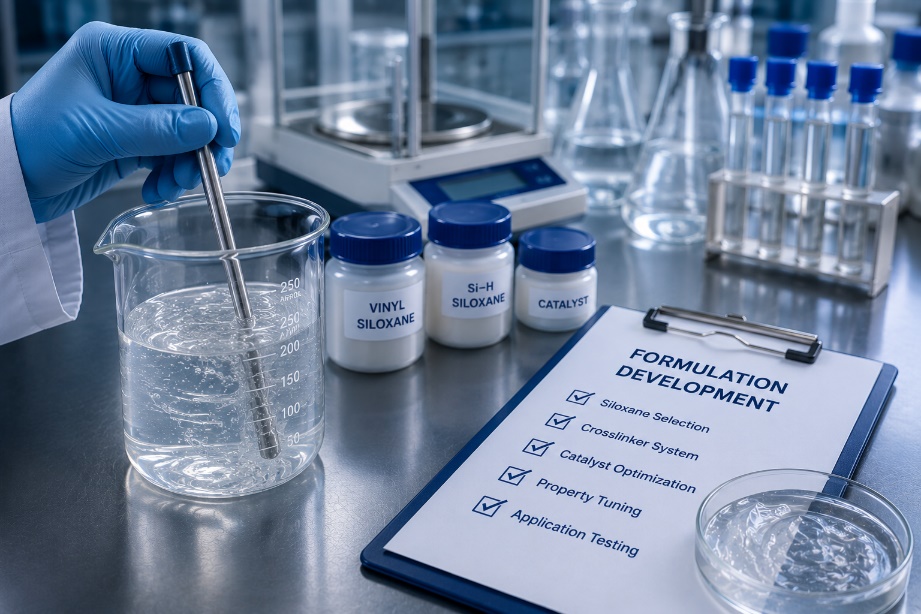
Different siloxane structures and functionalities provide formulators with options for silicone synthesis, modification and specialty material development.
Typical Applications
Functional siloxane intermediates are used in the synthesis, modification and crosslinking chemistry of silicone materials designed for a wide range of industrial applications. Their specific role depends on the silicone formulation, reactive functionality and required material properties.
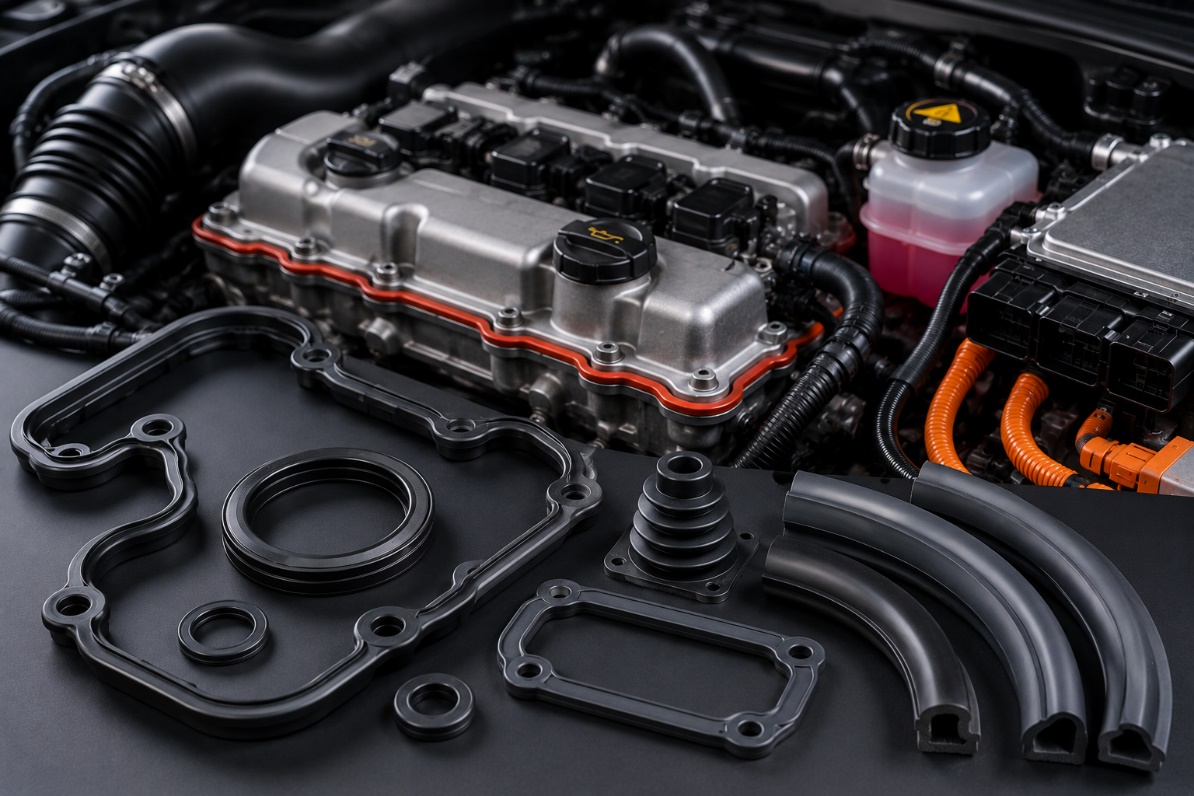
Silicone elastomer systems are used in seals, gaskets and other components requiring flexibility and reliable performance across demanding operating conditions.
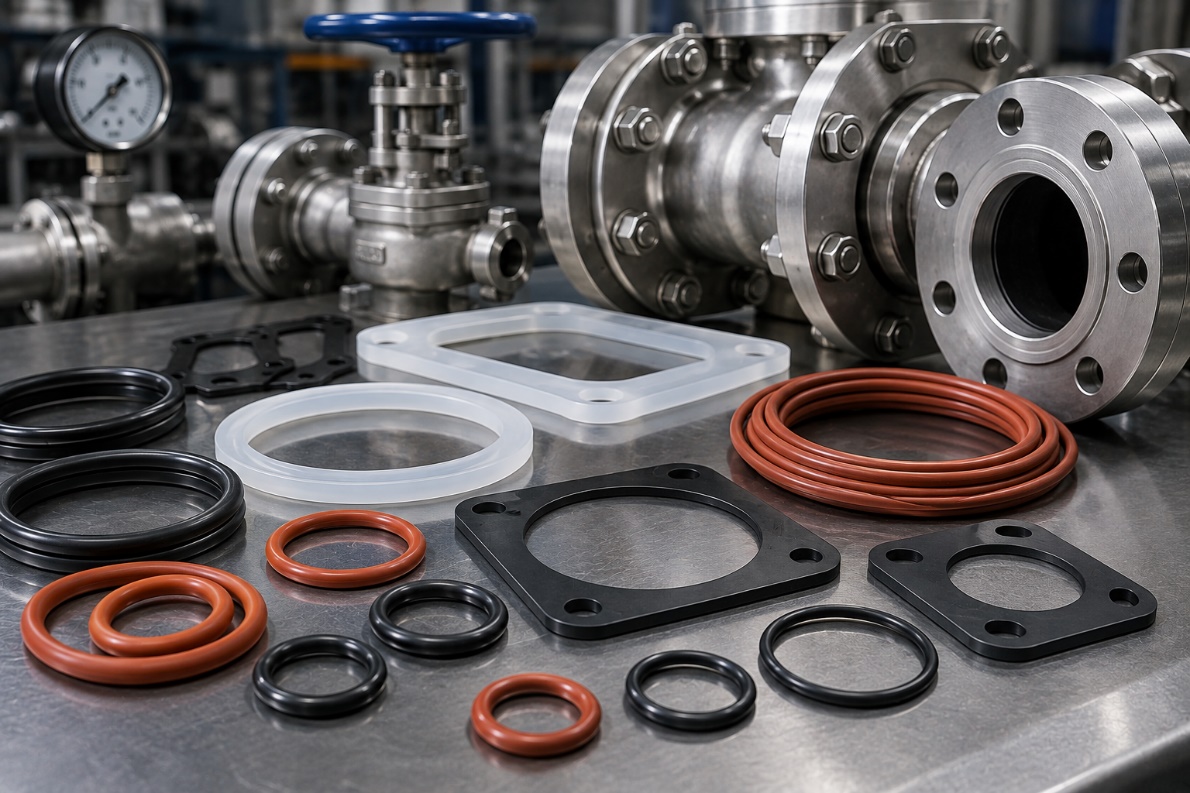
Crosslinked silicone materials are widely used in industrial seals, gaskets, flexible components and other applications requiring durable elastomeric properties.
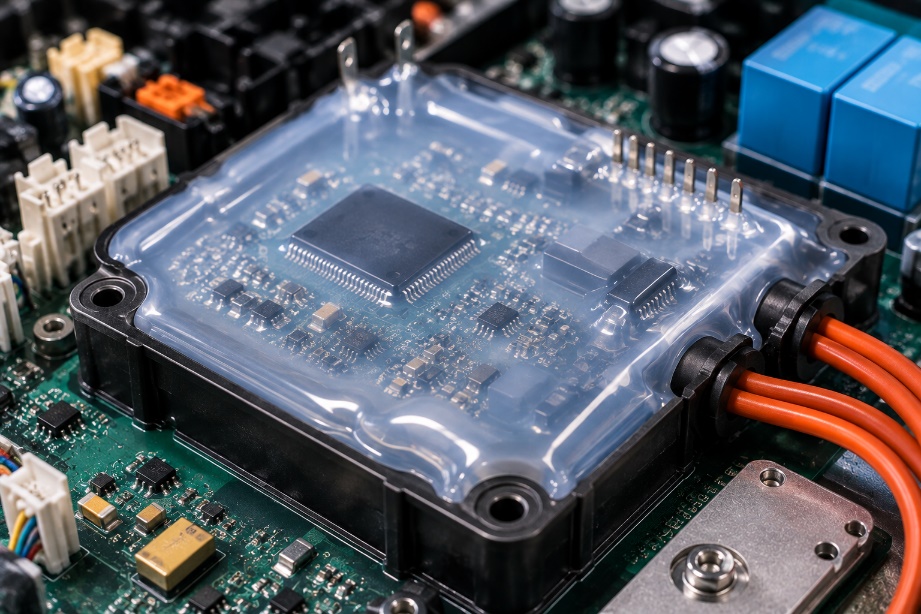
Silicone materials are used in encapsulation, insulation, sealing and protective systems for electronic and electrical components.
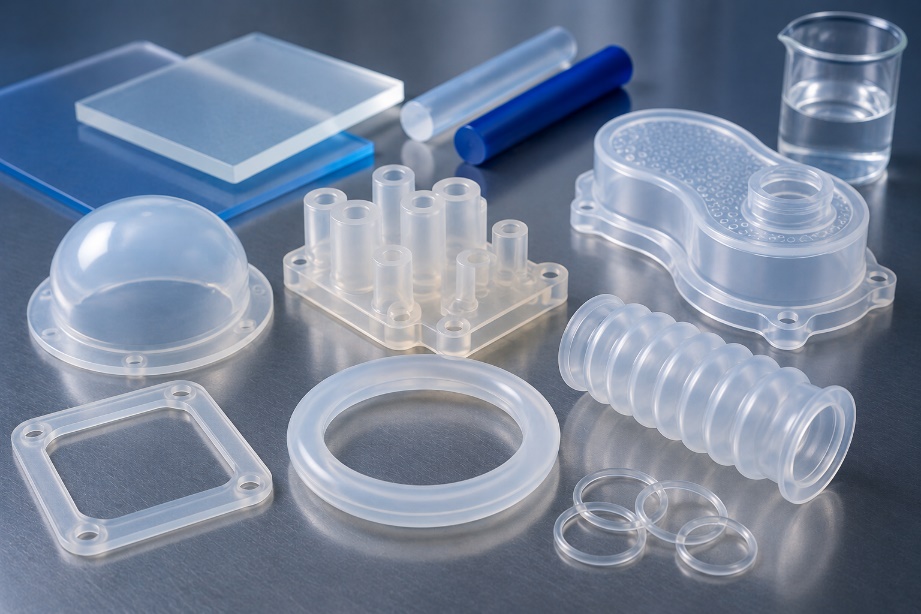
Functional siloxane chemistry supports the development of specialty silicone materials with tailored network structures and application-specific properties.
Selection Guide
Functional siloxane intermediates should be selected according to reactive functionality, role in the silicone synthesis process and formulation requirements.
| Material / Chemistry | Functional Character | Typical Role to Consider | Relevant Processes |
|---|---|---|---|
| DVTMDS | Vinyl-functional siloxane | Reactive intermediate / building block where vinyl functionality is required | Hydrosilylation, silicone synthesis, functional modification |
| TMDS | Si-H-containing siloxane | Reactive intermediate where Si-H functionality is required | Hydrosilylation and organosilicon synthesis |
| HMDSO | Non-reactive disiloxane | Silicone intermediate / specialty organosilicon material | Specialty synthesis and processing applications |
| Other Functional Siloxanes | Structure-dependent functionality | Selected according to required reactive group and molecular structure | Silicone synthesis, modification and specialty material development |
Vinyl, Si-H or other functional groups?
Reactive intermediate, modifier, building block or processing material?
Polymer structure, catalyst, functionality, reaction conditions and target material properties.
Product selection should be based on the complete silicone formulation and reaction system rather than the final application alone.
Recommended Products
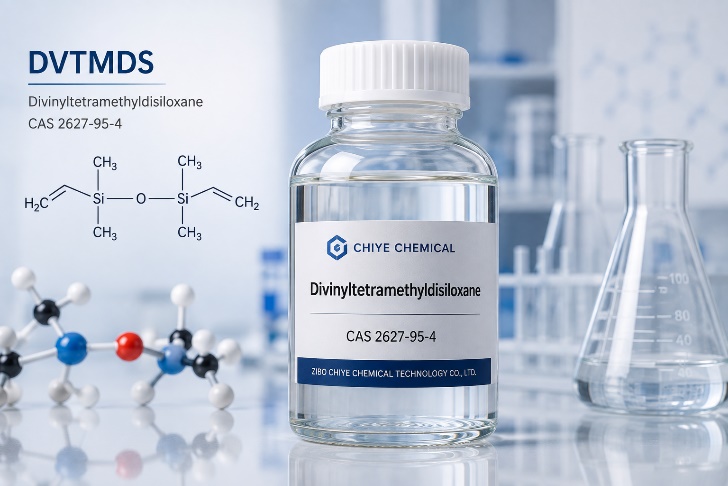
Vinyl-Functional Siloxane
CAS 2627-95-4
A high-purity vinyl-functional siloxane intermediate used in organosilicon synthesis, hydrosilylation chemistry and functional silicone material development.
Key Features
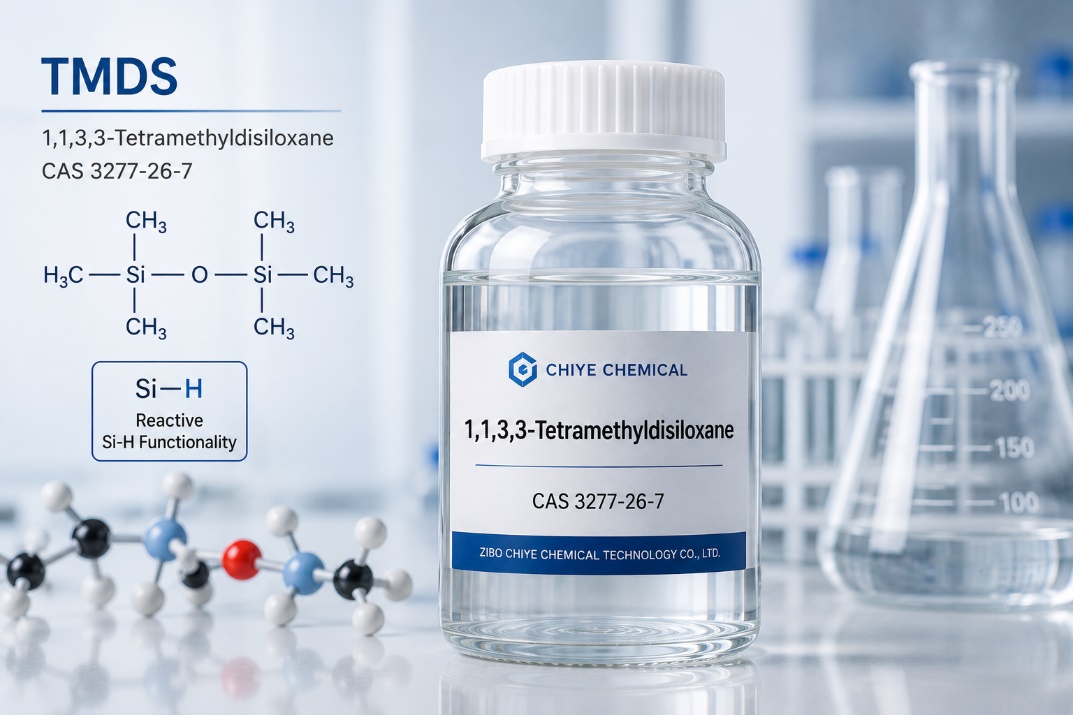
Si-H Functional Siloxane
CAS 3277-26-7
A Si-H-containing siloxane intermediate used in hydrosilylation reactions, organosilicon synthesis and functional modification processes.
Key Features
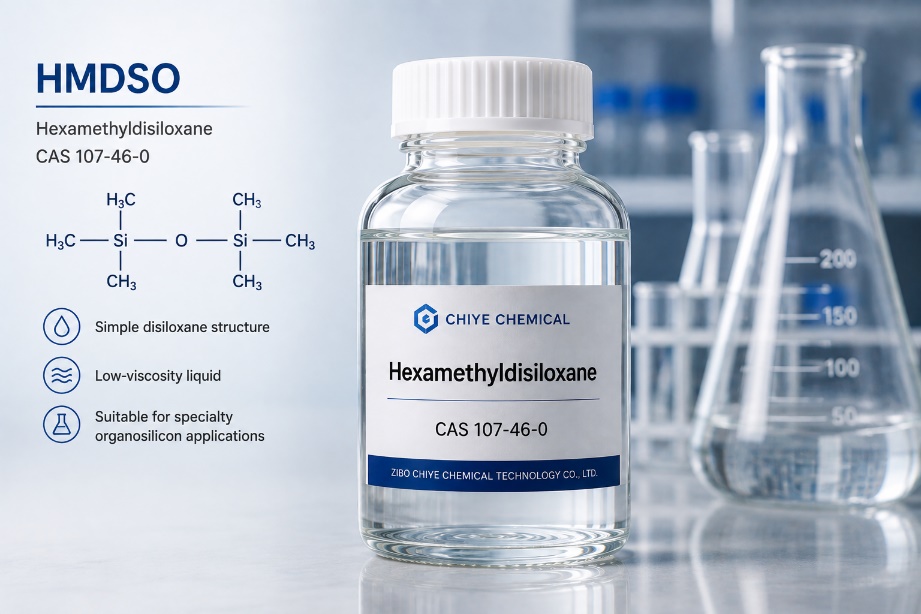
Non-Functional Disiloxane
CAS 107-46-0
A low-viscosity disiloxane material used in specialty organosilicon processing, synthesis and other industrial applications.
Key Features
Specialty Organosilicon Intermediates
Explore additional functional siloxanes and specialty organosilicon intermediates for silicone synthesis, modification and advanced material applications.
Explore SiloxanesTechnical Resources
Explore technical articles covering functional siloxanes, hydrosilylation chemistry and key intermediates used in silicone synthesis and modification.
Why Choose Chiye
Focused experience with functional siloxanes and specialty organosilicon intermediates.
Controlled product specifications support quality evaluation and formulation consistency.
Technical discussion based on required functionality, synthesis process and material needs.
Reliable documentation, flexible supply options and support for international customers.
Technical Support
Tell us your required functionality, synthesis process or application. Our team can help you identify suitable siloxane intermediates for evaluation.