
Surface Interaction
Hydrolyzable silane groups can interact with hydroxyl-containing inorganic surfaces such as glass fibers and mineral fillers.
Applications
Silane Coupling Agents for Reinforcement–Matrix Interface Engineering
Overview
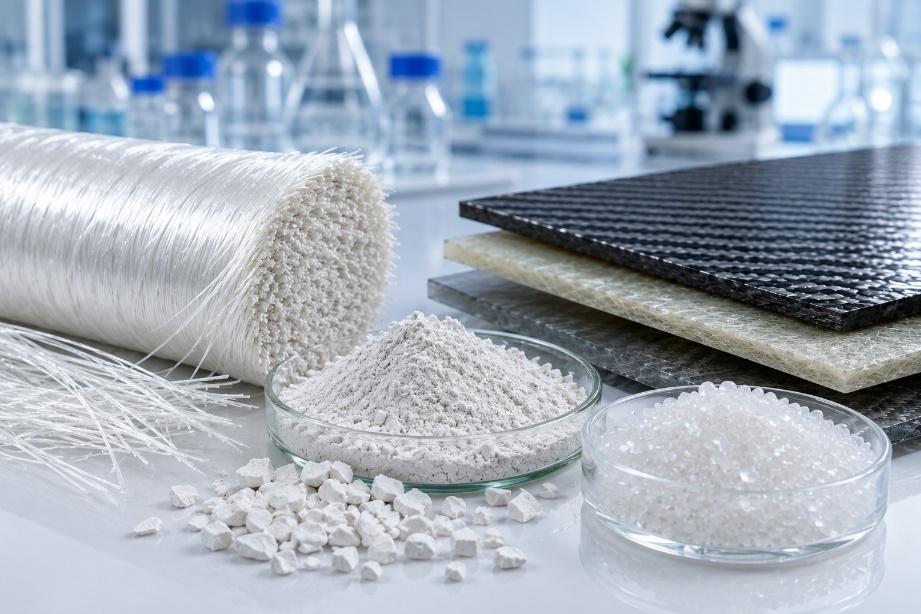
Composite materials combine polymer matrices with inorganic reinforcements such as glass fibers, mineral fillers and other reinforcing materials. The performance of these systems depends not only on the properties of each component, but also on the interaction at the interface between them.
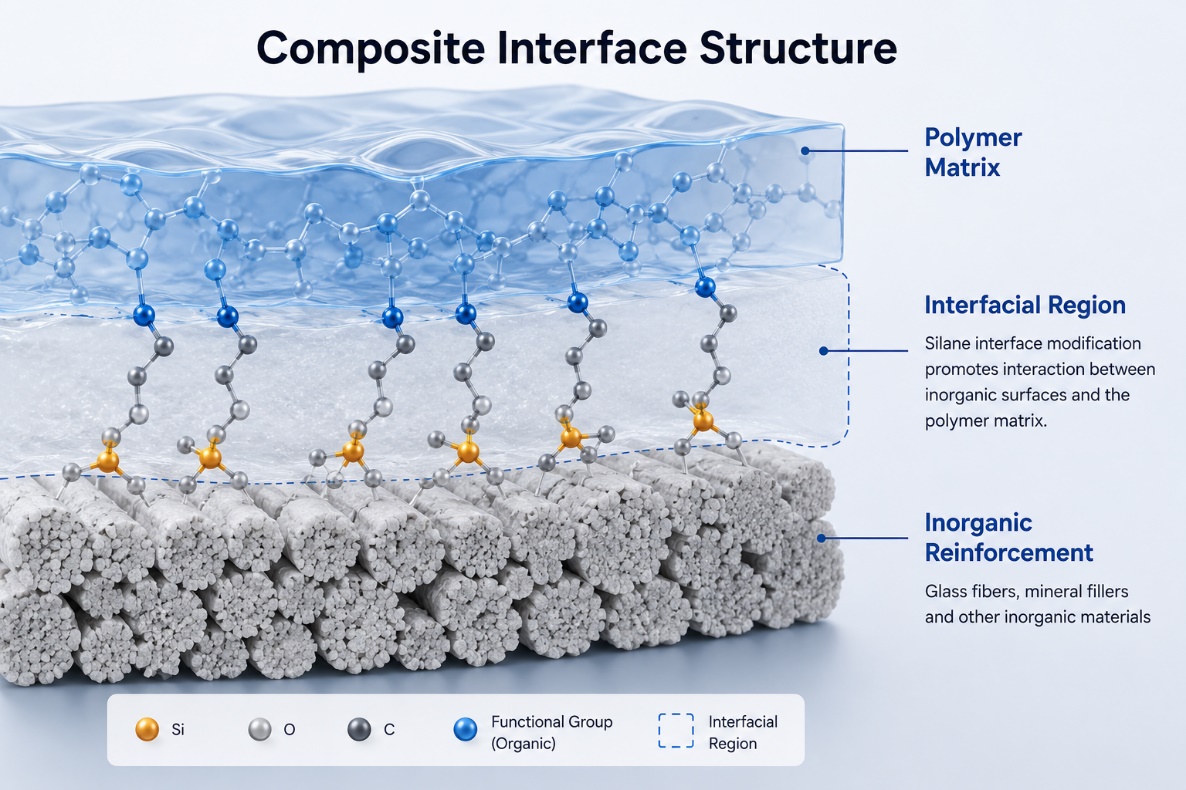
Silane coupling agents are commonly used as interface modifiers to improve compatibility between inorganic surfaces and organic polymer matrices. Their dual-functional structure enables interaction with both phases, helping create a more effective reinforcement–matrix interface.
Interface Engineering
In composite materials, the interface between inorganic reinforcements and the polymer matrix plays an important role in transferring stress across different material phases.
Poor interfacial compatibility can limit stress transfer and may increase susceptibility to moisture-related interfacial degradation. Surface treatment and appropriate coupling chemistry can help improve interaction at this critical interface.
Silane coupling agents are widely used as interface modifiers because their molecular structure can interact with inorganic surfaces while providing functionality compatible with organic polymer systems.
Technology
Silane coupling agents can modify the interface between inorganic reinforcements and organic polymer matrices through surface interaction, anchoring and functional-group compatibility.
Hydrolyzable silane groups can interact with hydroxyl-containing inorganic surfaces such as glass fibers and mineral fillers.
Through hydrolysis and condensation, silane molecules can form bonds with suitable inorganic surfaces, creating a modified interfacial layer.
The organic functional group is selected according to the polymer or resin chemistry, helping improve compatibility with the organic matrix.
The modified interface can support more effective interaction between the reinforcement and polymer matrix.
Performance Advantages
Appropriate silane coupling chemistry can improve reinforcement–matrix interaction and support the performance of properly formulated composite systems.
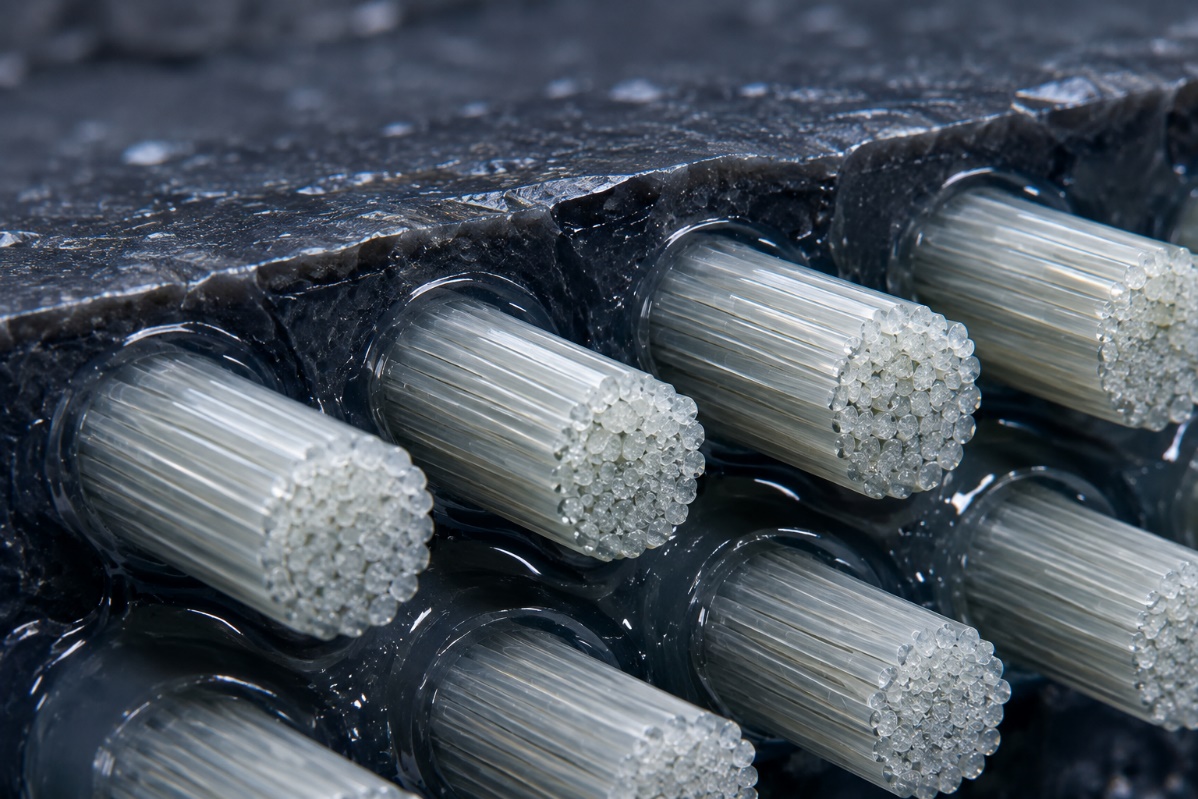
Silane coupling agents can improve interaction between inorganic reinforcements and compatible polymer matrices, supporting a more effective composite interface.
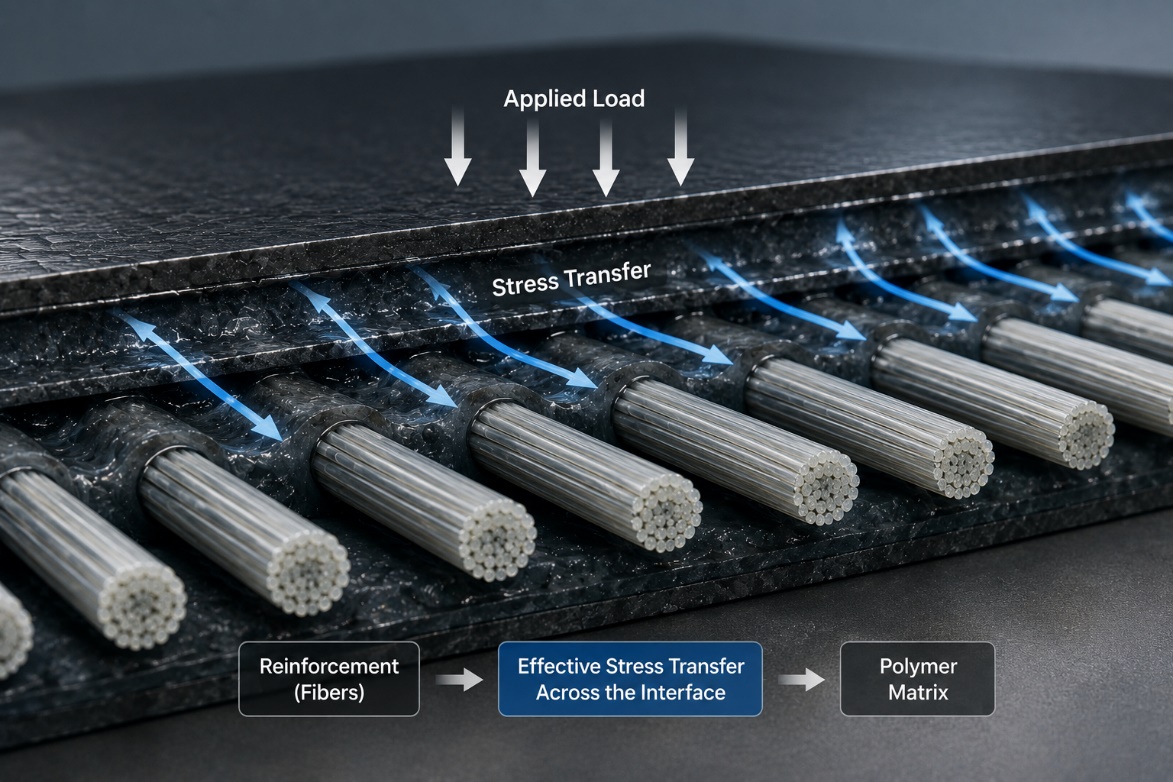
Improved interfacial interaction can support more effective stress transfer between the reinforcement and polymer matrix, contributing to the mechanical performance of the composite system.
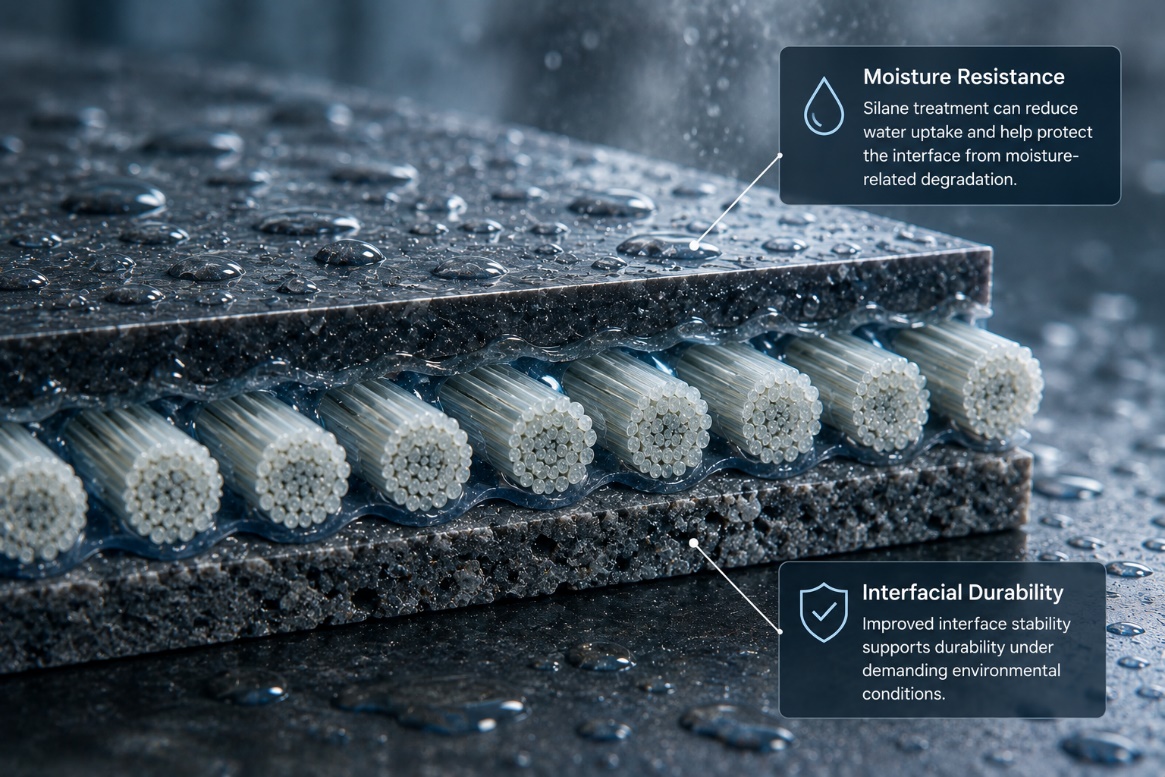
Appropriate silane surface treatment can help reduce moisture-related interfacial degradation and support durability under demanding environmental conditions.
Typical Applications
Silane coupling agents are widely used to modify the interface between inorganic reinforcements and compatible polymer matrices across a range of composite systems.
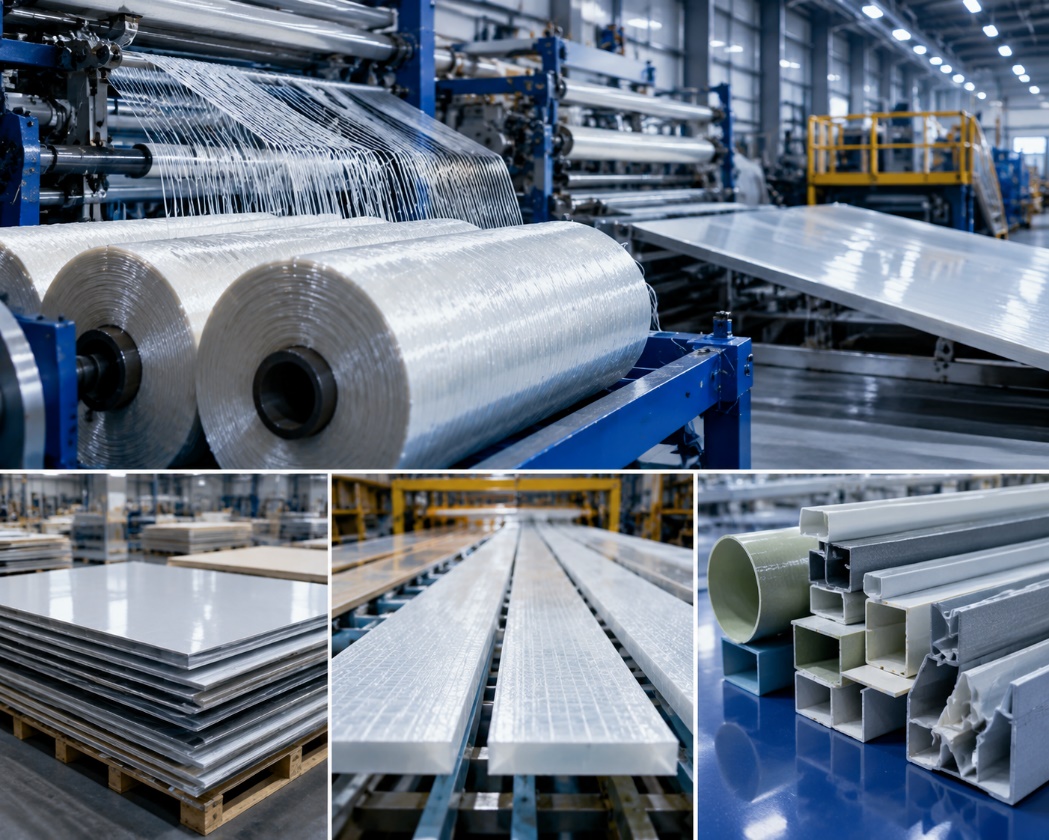
Silane coupling agents are widely used in glass fiber surface treatment to improve compatibility between glass reinforcement and compatible polymer matrices.
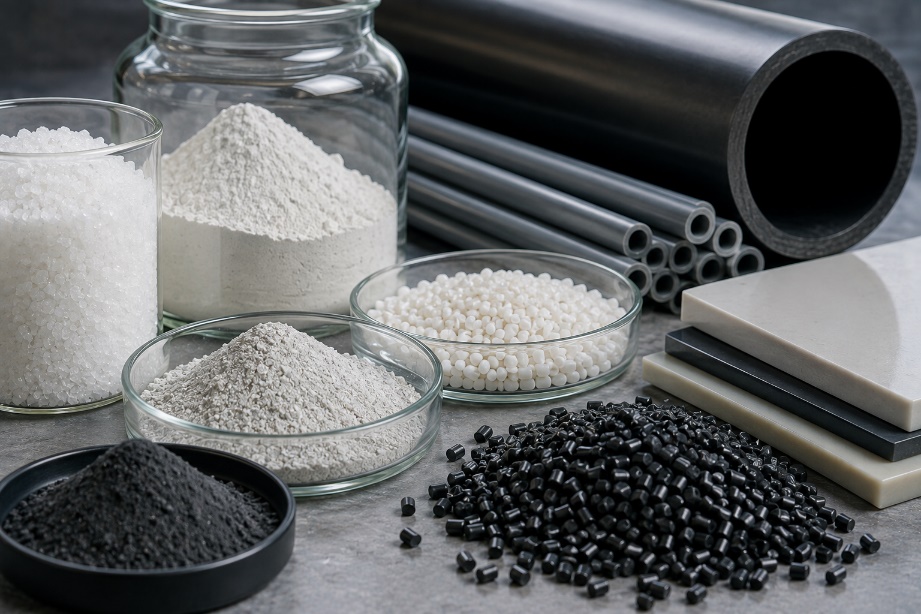
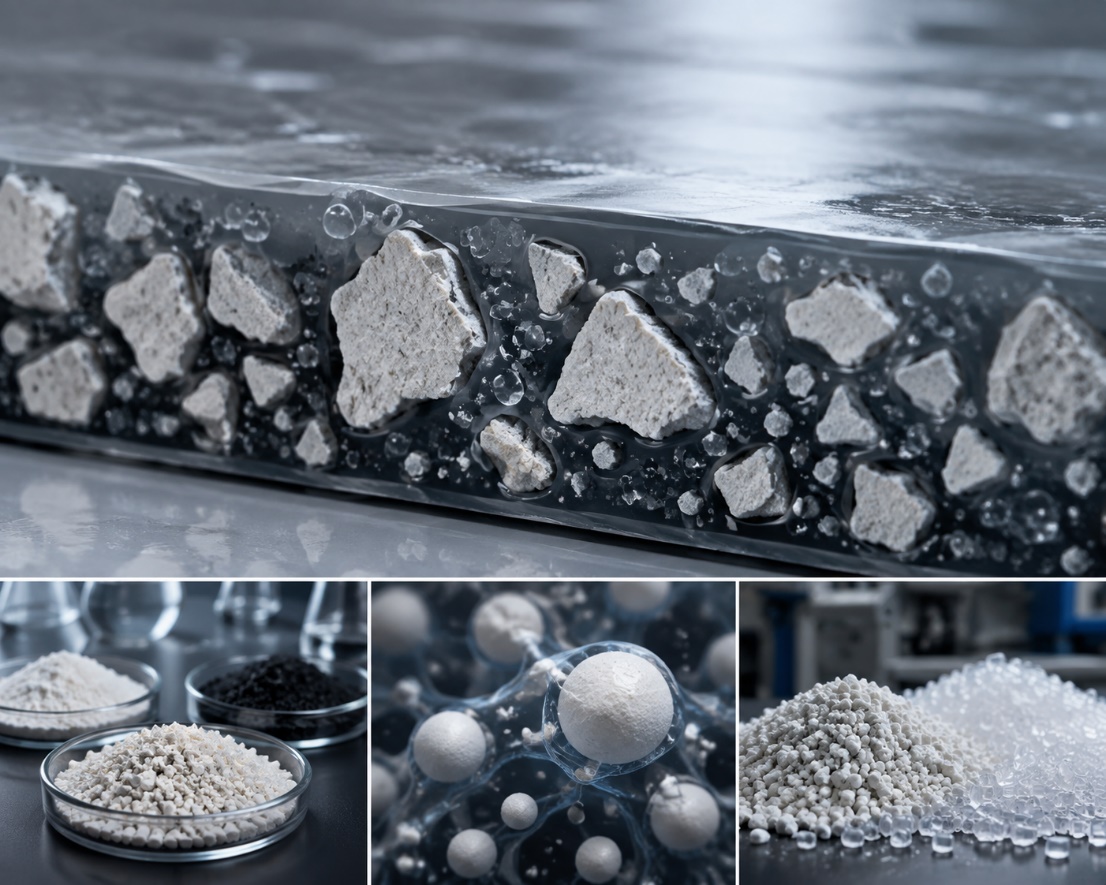
Silane coupling agents can modify mineral filler surfaces and improve their interaction and dispersion within compatible polymer systems.
Surface treatment and coupling chemistry may be used in selected carbon fiber composite systems to modify interfacial interaction, depending on fiber surface chemistry, sizing and polymer matrix.
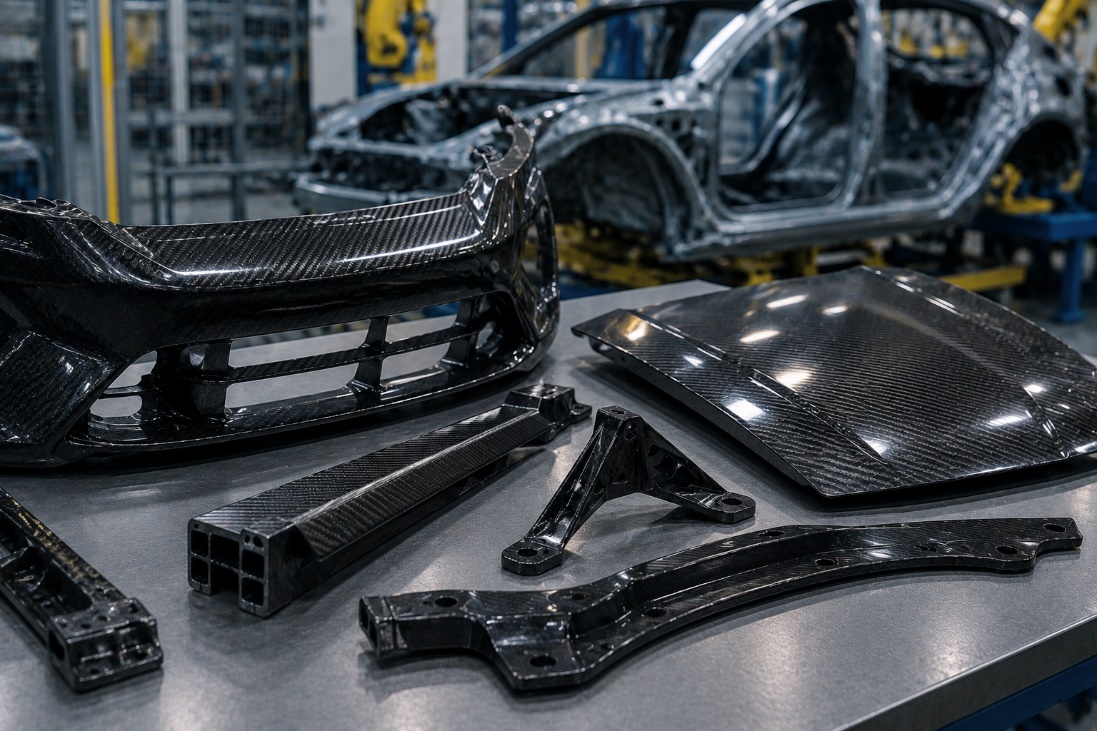
Fiber-reinforced and mineral-filled polymer composites are used in automotive components where weight reduction, mechanical performance and material durability are important design considerations.
Selection Guide
Selecting a silane coupling agent for composite materials requires consideration of both the inorganic reinforcement surface and the chemistry of the polymer matrix. The organic functional group of the silane should be compatible with the resin system, while the hydrolyzable groups provide interaction with suitable inorganic surfaces.
Glass Fiber
Mineral Fillers
Silica / Inorganic Particles
Other Inorganic Reinforcements
Epoxy
Unsaturated Polyester
Vinyl Ester
Polyamide / Thermoplastics
Other Polymer Systems
Amino Silane
Epoxy Silane
Methacrylate Silane
Diamino Silane
Match reinforcement surface, resin or polymer chemistry and intended processing requirements before application testing.
| Resin / System Consideration | Silane Functionality to Evaluate | Chiye Product |
|---|---|---|
| Epoxy and selected thermoset systems | Amino | CY-550 |
| Epoxy-compatible systems | Epoxy | CY-560 |
| Unsaturated polyester / vinyl ester / acrylic-related systems | Methacrylate | CY-570 |
| Systems requiring diamino functionality | Diamino | CY-792 |
Recommended Products
Explore functional silane coupling agents commonly evaluated for composite materials, fiber treatment and mineral-filled polymer systems.
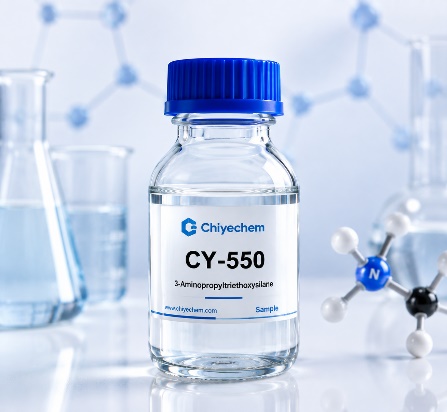
An amino-functional silane used for surface modification and interface improvement in compatible composite and filled-polymer systems.
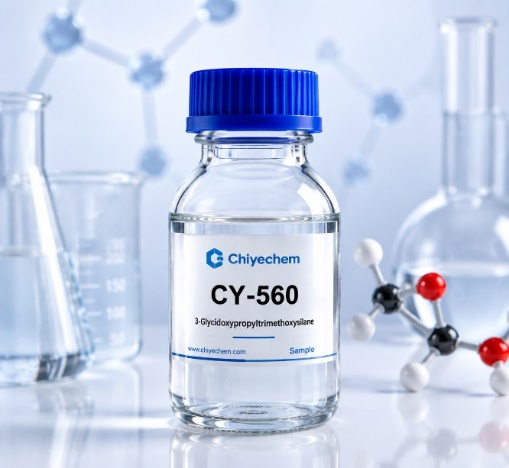
An epoxy-functional silane commonly evaluated for glass fibers, mineral fillers and epoxy-compatible composite systems.
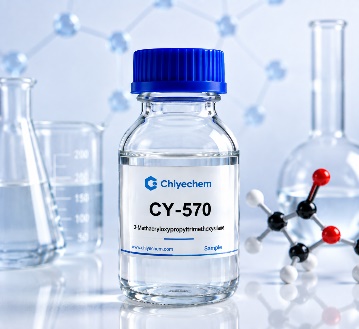
A methacrylate-functional silane used in selected unsaturated polyester, vinyl ester and acrylic-related composite systems.
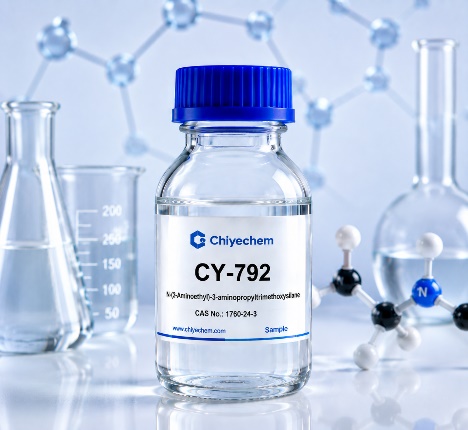
A diamino-functional silane for composite and surface-modification systems where additional amino functionality is required.
Technical Resources
Explore technical resources on silane coupling agents, reinforcement–matrix interfaces and surface modification for composite material systems.
How Silane Coupling Agents Improve Glass Fiber–Polymer Interfaces Read More → How to Select Silane Coupling Agents for Mineral-Filled Polymers Read More → Amino vs Epoxy vs Methacrylate Silanes for Composite Materials Read More →Why Choose Chiye
Focused experience in silane coupling agents and specialty organosilicon materials for industrial applications.
Controlled product specifications and quality documentation to support evaluation and international sourcing requirements.
Silane selection support based on reinforcement type, polymer chemistry and intended processing requirements.
Support for samples, commercial quantities, technical documentation and international shipments.
Technical Support
Tell us your reinforcement type, polymer or resin system, processing conditions and application requirements. Our team can help you identify suitable silane coupling agents for evaluation.