

Enhanced Coating Adhesion
Functional silanes can improve interfacial interaction between coating systems and inorganic substrates, supporting stronger and more durable adhesion.
Applications
Functional Silane Materials for Adhesion, Surface Modification and Coating Performance
Overview
Functional silanes are widely used in coating formulations as adhesion promoters, surface modifiers and functional additives. By improving interactions between organic coating systems and inorganic substrates, silanes can support adhesion, compatibility, moisture resistance and long-term coating performance.
Different silane chemistries can also be used to tailor surface properties, including hydrophobicity and substrate interaction. Chiye supplies functional silanes, alkyl silanes, fluorosilanes and specialty organosilicon materials for protective coatings, industrial coatings and advanced surface treatment applications.
Technology
Functional silanes can improve interfacial interaction between coating systems and inorganic substrates, supporting stronger and more durable adhesion.
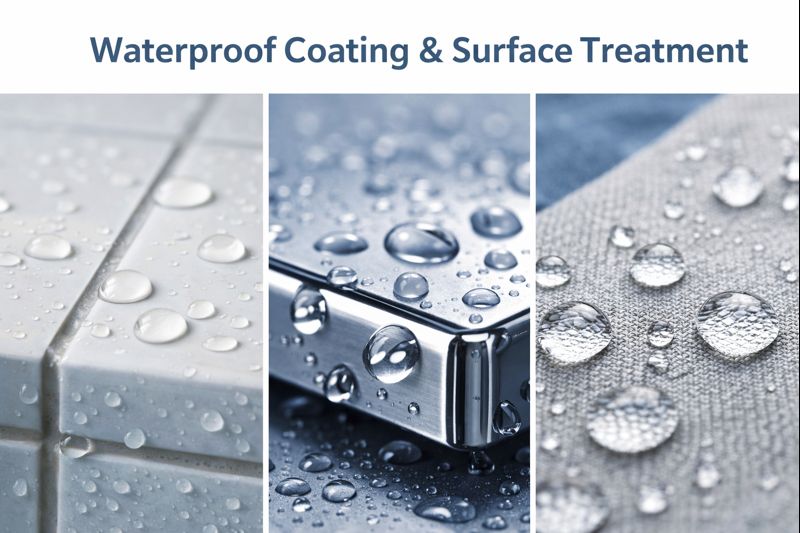
Alkyl silanes, fluorosilanes and other functional silanes can be used to modify surface properties such as hydrophobicity and surface compatibility.
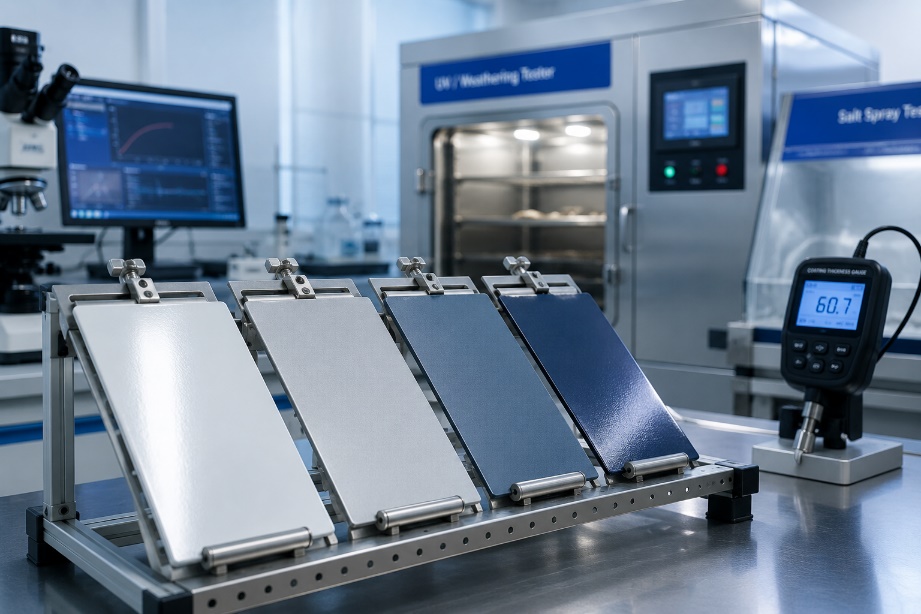
Improved interfacial bonding and surface modification can help support resistance to moisture and environmental exposure.
Typical Applications
Functional silanes can support adhesion and interfacial performance in protective coating systems applied to metal, glass and mineral substrates.
Silane coupling agents can improve compatibility and substrate interaction in epoxy, acrylic and other polymer-based coating systems.
Alkyl and fluoroalkyl silanes can be considered for surface modification where reduced surface wettability or enhanced water repellency is required.
Specialty organosilicon materials can support surface modification and functional coating applications in electronics and advanced materials.
Selection Guide
| Coating / Surface Requirement | Silane Chemistry to Consider | Selection Logic |
|---|---|---|
| Epoxy coating systems | Epoxy-functional silanes | Consider where compatibility with epoxy resin and inorganic substrates is important. |
| Acrylic / methacrylate coatings | Methacrylate-functional silanes | Suitable starting point for compatible acrylic or methacrylate-based systems. |
| Adhesion to inorganic substrates | Amino / Epoxy functional silanes | Selection depends on coating resin, substrate and curing chemistry. |
| Hydrophobic surface modification | Alkyl silanes | Consider where reduced surface wettability and hydrophobic modification are required. |
| Specialty low-surface-energy treatment | Fluoroalkyl silanes | Consider for specialized surface modification requiring low surface energy. |
Final silane selection should consider coating resin chemistry, substrate type, curing mechanism, formulation conditions and required surface performance.
Recommended Products
3-Methacryloxypropyltrimethoxysilane
CAS No.: 2530-85-0
Methacrylate-functional silane for improving adhesion and compatibility in coating systems.
View Product3-Glycidoxypropyltrimethoxysilane
CAS No.: 2530-83-8
Epoxy-functional silane for advanced coatings and surface modification.
View ProductHydrophobic organosilicon surface treatment material
CAS No.: 2943-75-1
Hydrophobic surface treatment agent for water-repellent coatings.
View ProductFluorinated functional silane
CAS No.: 429-60-7
Fluorinated silane for specialty coatings and surface modification.
View ProductTechnical Resources
Why Choose Chiye
Amino, epoxy, methacrylate, alkyl and specialty silane options for different coating systems.
Product selection support based on resin chemistry, substrate and required surface properties.
Controlled product specifications to support formulation evaluation and industrial applications.
Technical documentation and flexible supply options for international customers.
Technical Support
Tell us your coating resin, substrate and required surface performance. Our team can help you identify suitable silane chemistry and products for formulation evaluation.