
01
Surface Interaction
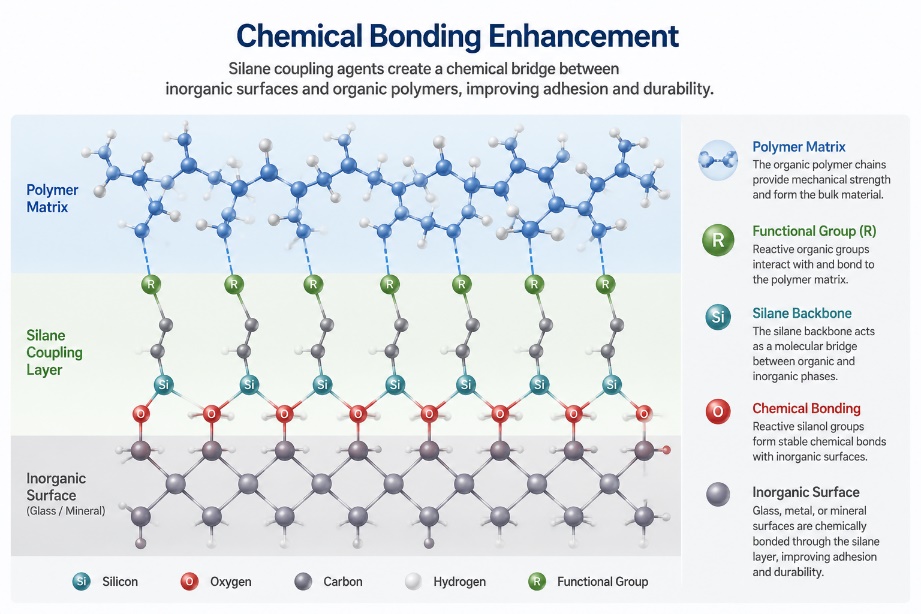
Hydrolyzable silane groups interact with hydroxyl-containing inorganic surfaces such as glass, minerals and fillers.
Enhancing Bonding Performance with Advanced Silane Coupling Agents
Adhesion performance depends not only on the polymer system, but also on the interface between organic materials and inorganic substrates. Silane coupling agents act as interface modifiers, helping improve bonding between polymers and surfaces such as glass, metals, minerals and fillers.
By selecting suitable silane chemistry according to the polymer system, substrate and performance requirements, formulators can improve adhesion, compatibility, moisture resistance and long-term durability in adhesive and sealant applications.
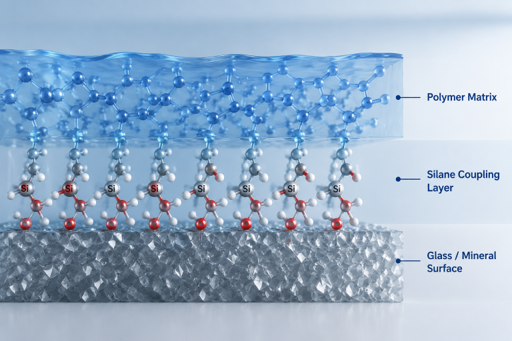
Hydrolyzable silane groups interact with hydroxyl-containing inorganic surfaces such as glass, minerals and fillers.
Functional silane molecules establish a bridge between inorganic substrates and compatible organic polymer systems.
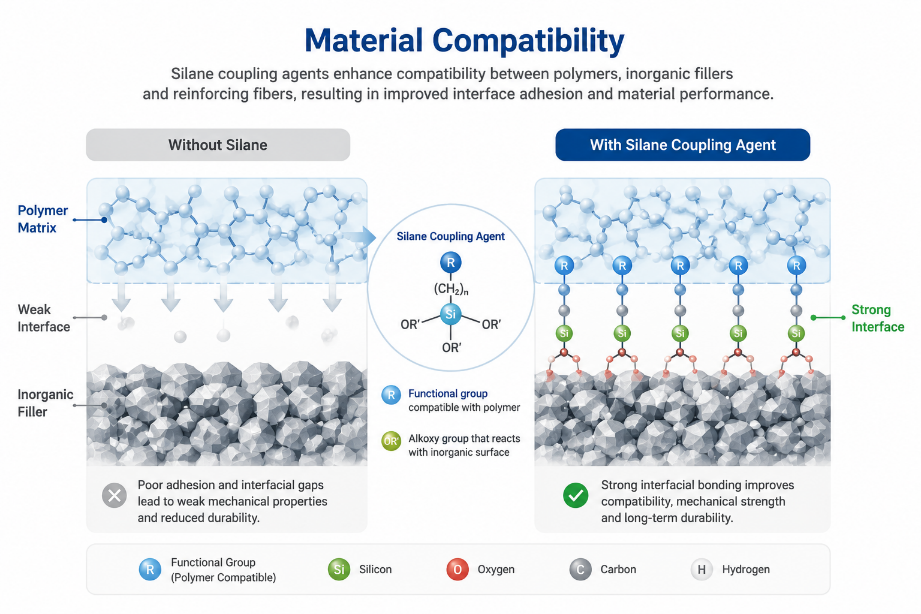
Organic functional groups improve compatibility and interaction with the surrounding resin or polymer matrix.
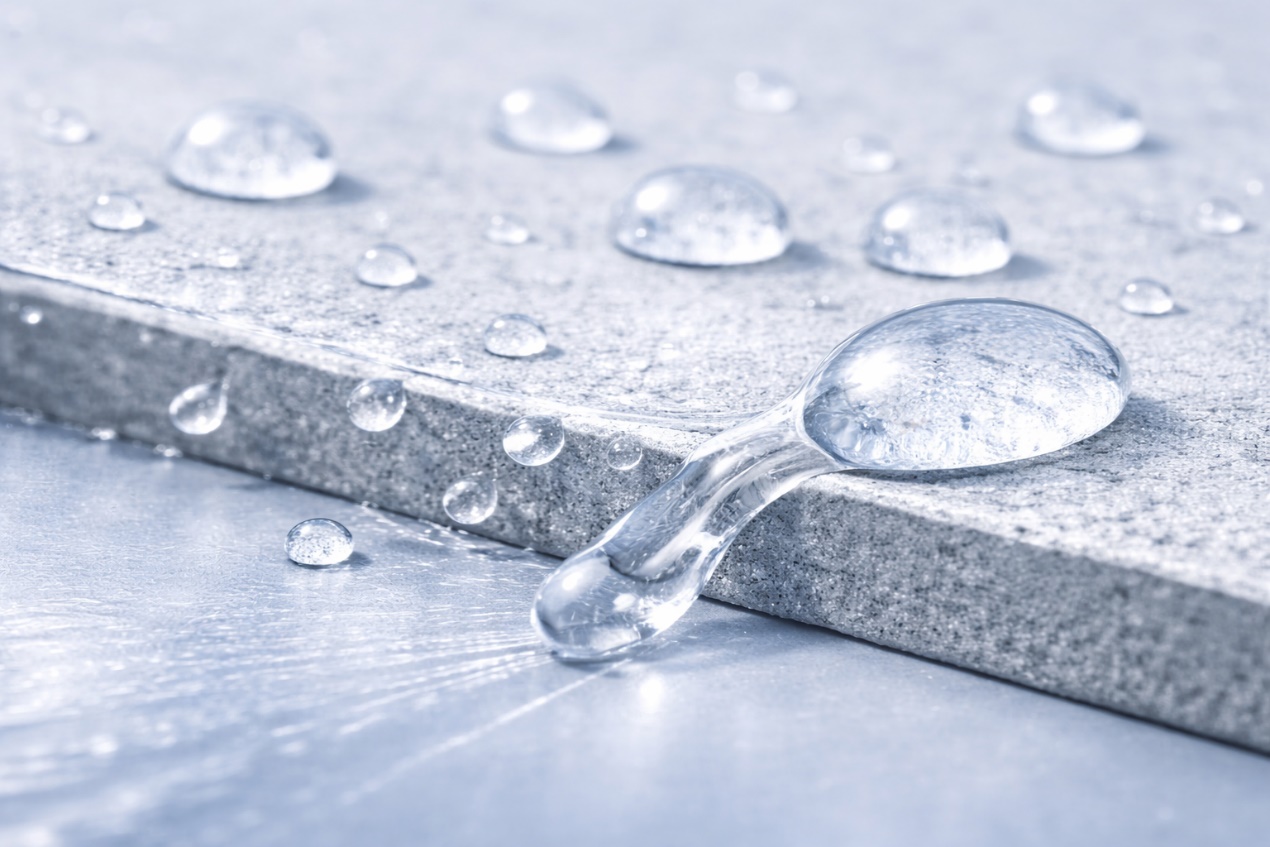
Improved interfacial bonding supports adhesion performance and resistance to moisture-related degradation.
Helps strengthen bonding between organic polymer systems and inorganic substrates.
Improves interaction with glass, metals, minerals, fillers and other inorganic surfaces.
Helps maintain adhesion performance under moisture exposure and demanding service conditions.
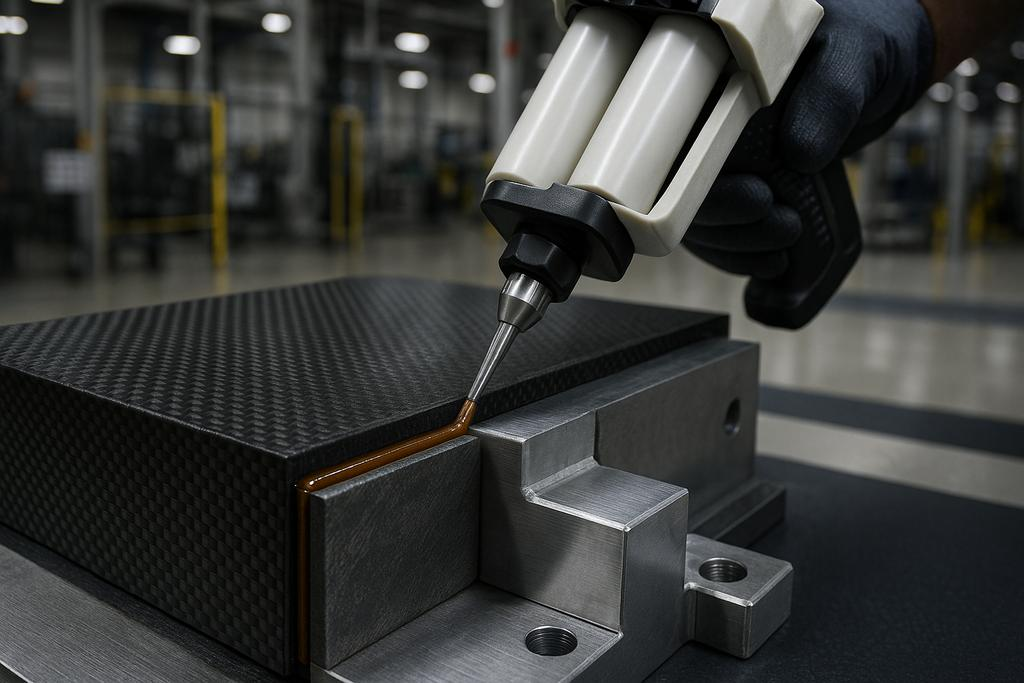
Improves bonding between epoxy resin systems and inorganic substrates, fillers and reinforcing materials.
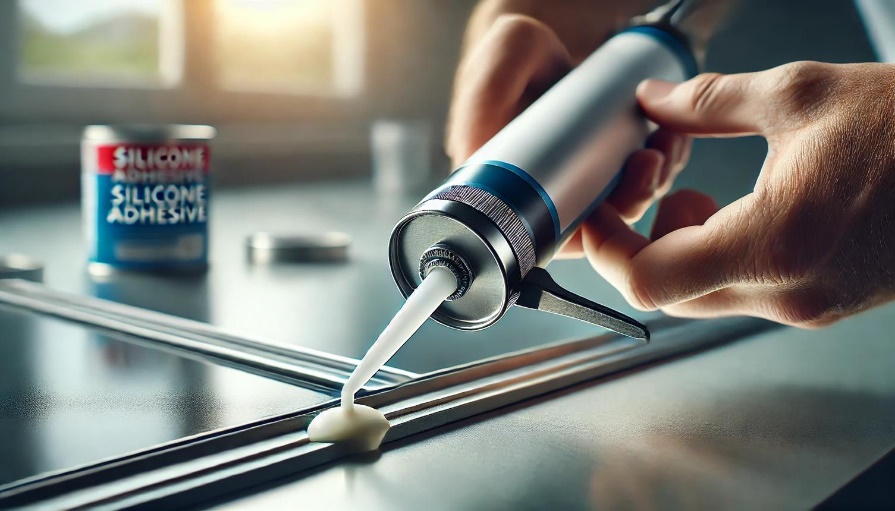
Supports adhesion to glass, metals, ceramics and other inorganic surfaces.
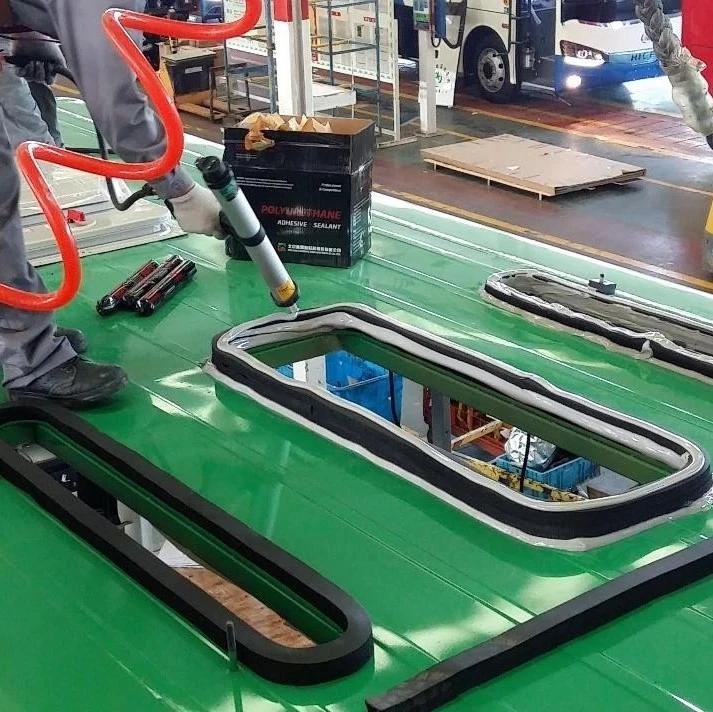
Supports substrate bonding and moisture durability in polyurethane sealing systems.
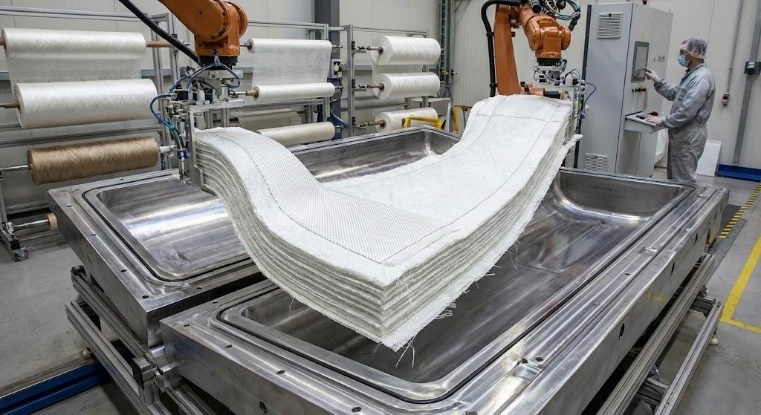
Improves interfacial bonding in systems containing glass fibers, mineral fillers or inorganic reinforcement.
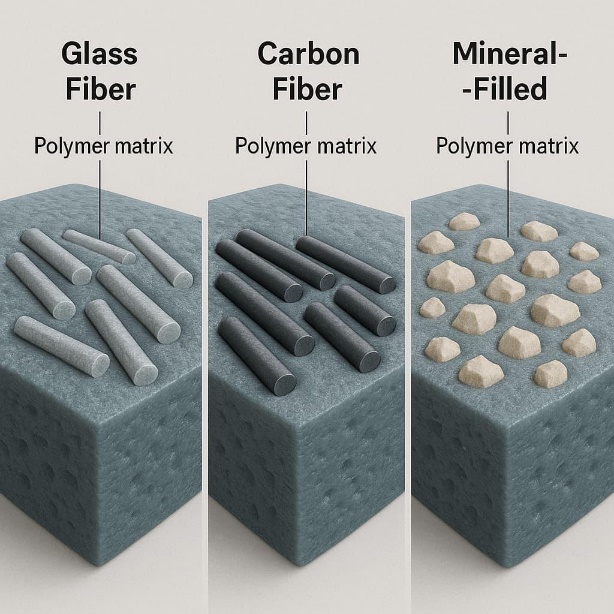
Improves filler compatibility, dispersion and interfacial interaction in polymer formulations.
| Your System / Requirement | Silane Chemistry to Consider | Selection Logic |
|---|---|---|
| Epoxy adhesive systems | Epoxy-functional silanes | Consider where compatibility and bonding with epoxy resin systems are important. |
| PU / reactive adhesive systems | Amino or other compatible functional silanes | Selection depends on resin chemistry, curing mechanism and substrate. |
| Silicone sealants | Amino / diamino functional silanes | A common starting point for adhesion promotion to inorganic substrates. |
| Methacrylate / acrylic systems | Methacrylate-functional silanes | Consider where methacrylate functionality is compatible with the polymer system. |
| Mineral-filled systems | Amino, epoxy or other functional silanes | Select according to resin chemistry, filler surface and required interfacial performance. |
Final silane selection should consider polymer chemistry, curing mechanism, substrate type, filler composition, formulation conditions and required performance.
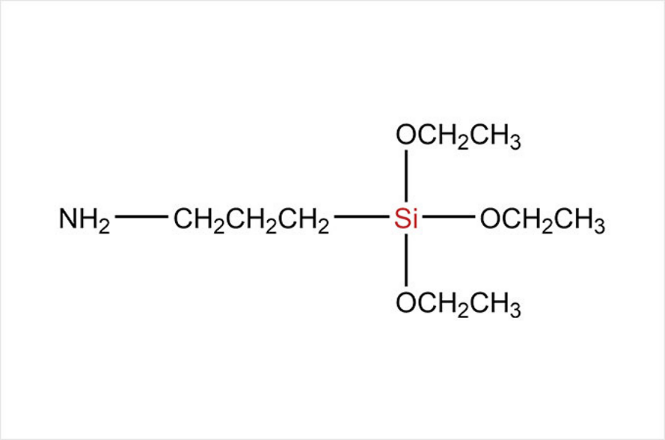
3-Aminopropyltriethoxysilane
CAS No.: 919-30-2
Improves adhesion between organic polymers and inorganic materials.
View Product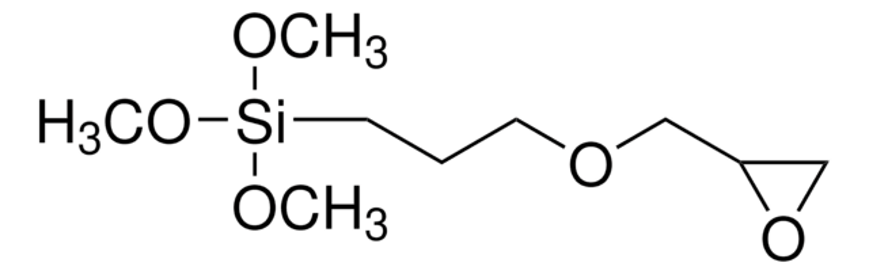
3-Glycidoxypropyltrimethoxysilane
CAS No.: 2530-83-8
Provides epoxy functionality for improved bonding in epoxy adhesive systems.
View Product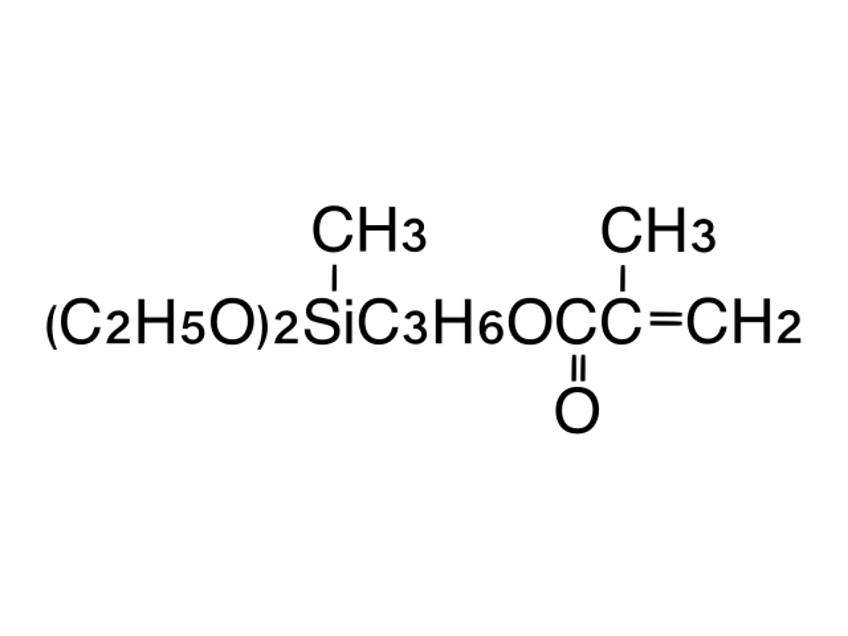
3-Methacryloxypropyltrimethoxysilane
CAS No.: 2530-85-0
Enhances compatibility between polymers and inorganic fillers.
View Product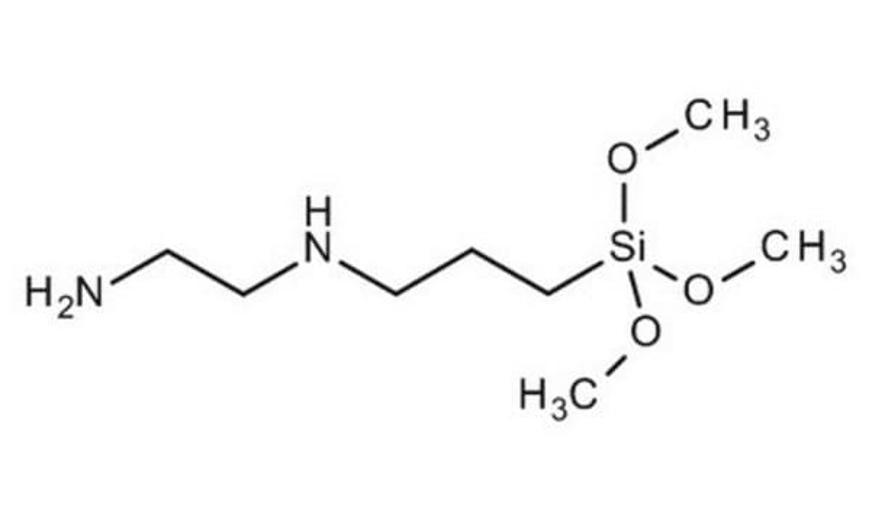
3-(2-Aminoethyl)-3-aminopropyltrimethoxysilane
CAS No.: 1760-24-3
Provides multiple amino groups for high-performance adhesion applications.
View ProductControlled product quality, full formulation evaluation and analytical applications.
Amino, epoxy, methacrylate and other functional silane options.
Selection support based on resin chemistry, substrate and performance requirements.
Technical documentation and flexible supply options for international customers.
Tell us your polymer system, substrate and performance requirements. Our team can help you identify suitable silane chemistry and products for evaluation.